
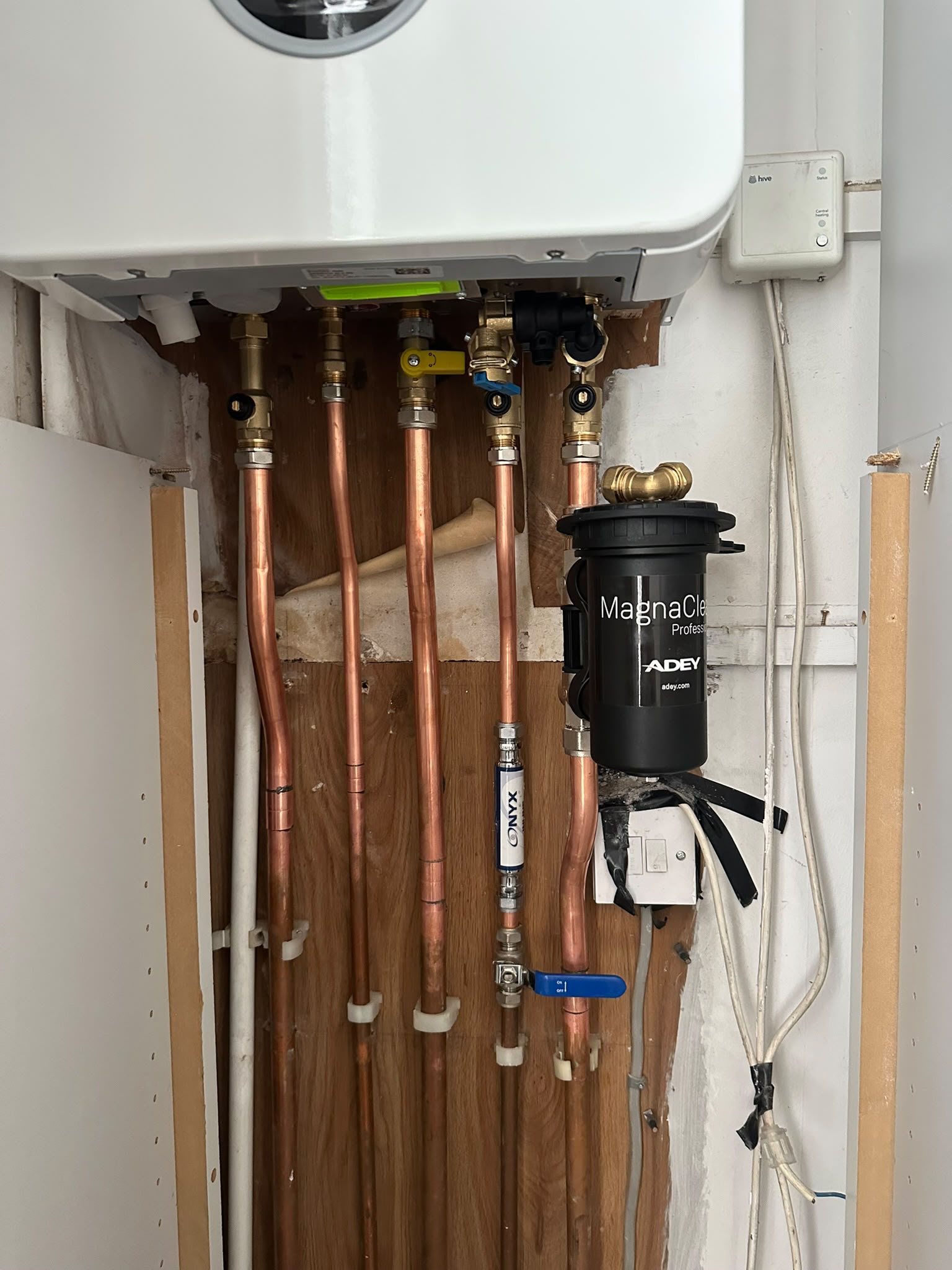
As temperatures plunge during the cold London winter, frozen pipes represent one of the most common and expensive plumbing emergencies. When water freezes, it expands by roughly 9%, creating immense pressure inside copper or plastic pipework that inevitably leads to bursts and flooding once the ice thaws.
1. Insulate Your Exposed Pipework (Lagging)
The most effective shield against sub-zero temperatures is pipe insulation (known as lagging). Focus on unheated areas of your property such as the loft, garage, cellar, and external walls.
Buy pre-slit foam pipe lagging from local DIY stores. Slip them over your pipes, ensuring all joints and bends are tightly covered, and secure them with zip-ties or duct tape.
2. Keep Your Heating on a Constant Low
If you are leaving your property empty during winter holidays or weekend trips, never turn your heating completely off. Set your thermostat to at least 12°C to keep warm water circulating through the radiator feeds.
Many modern smart thermostats have an automatic frost-protection mode that monitors temperature drops and runs the boiler briefly if it hits critical freezing levels.
3. Locate Your Mains Stopcock
Knowing the location of your main stopcock is essential. If a pipe does freeze and burst, turning off the main valve immediately will prevent thousands of pounds of water damage.
Most stopcocks are found under the kitchen sink, in a hallway cupboard, or under the stairs. Turn it clockwise to shut off the incoming water supply.
Taking these preventative steps will secure your home against winter water damage. If you do suspect a frozen pipe or encounter a burst, our Gas Safe emergency engineers are available 24/7 across London.
Need Professional Assistance?
Our Gas Safe registered engineers and local plumbers are on call 24/7 in Fulham and surrounding London boroughs.
Book Winter Checkup→